


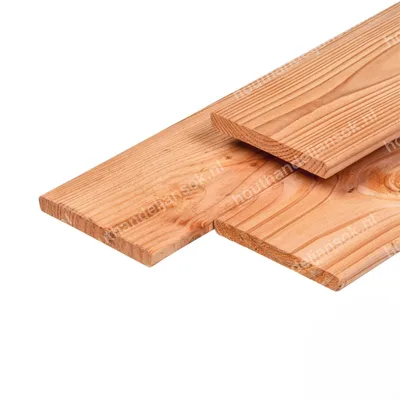
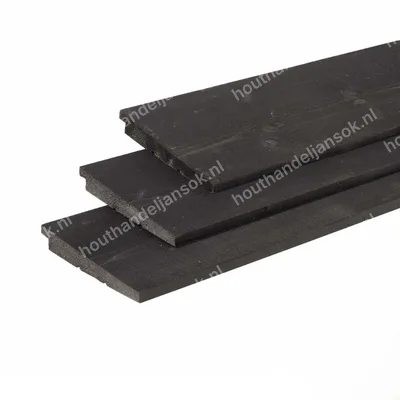
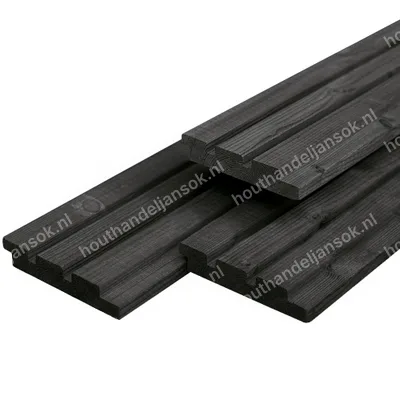
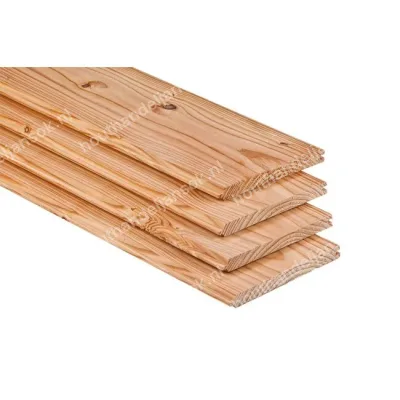
Customers often ask whether a knot may sit in a garden board, or whether a board that moved is a defect.
At Houthandel Jan Sok in Meppel the answer is usually yes. That belongs to timber when it remains in trade grade.
Read the complete list of what to expect on what to expect from timber.
Timber that is cut to size may not go back. See the returns page for that policy.
Yard tips
- Select the visible face when you sort boards on the yard.
- Store garden timber dry and flat so the boards remain true.
- Use enough screws and allow a bit of move on clad and rabat.
Why timber has knots
A knot is the base of a branch that grew inside the trunk. Every softwood board has them, and Douglas and pine show them more than most hardwoods. A tight, sound knot is part of the wood and does not make a board weaker in normal garden use. A loose knot can fall out over time and leave a small hole. That is usually only cosmetic, unless the knot sits right at the edge of a board that carries a load.
Why timber moves
Wood takes up moisture when the weather is wet and releases it again when the weather is dry. It swells and shrinks with it, mostly across the width of a board and much less along its length. That is why a wide board can cup a little, and why small surface checks can appear in a thick post or beam. The outside dries faster than the core, so the surface opens slightly. Many of these checks close again when the weather turns damp. In warm weather, resin can bleed from a knot. Let it harden, then scrape it off.
Knots and timber movement: normal or a valid claim?
Knots and timber movement within trade grade are normal. Think of sound knots, a slight bow, small checks and colour changes as the wood turns grey. Grey timber is just as strong as fresh timber. A board that is clearly outside the grade you ordered is a different matter, for example a board that arrives broken or with rot. In that case, take a photo, keep the board aside and contact us. We will then check together whether it falls within the standard.
How to limit movement
Store timber dry, flat and well supported until you use it. Fix the boards soon after delivery with enough screws, and use stainless or coated screws outdoors. Leave a small gap between deck boards and in cladding, so the wood can move without pushing against itself. Narrow boards move less than wide ones, and planed, well-dried timber stays straighter than fresh sawn wood. If you want a tidy result, choose a narrower board and allow room for movement. Browse our Douglas range for garden timber.
Different species, different behaviour
Douglas often has more and larger knots than hardwood, because it grows fast and has many branches. Pressure-treated pine can show resin and some colour differences around knots. Hardwood such as Okan or Tali has fewer knots, but it can still show small surface checks after a dry, sunny period. These differences are typical for each species and do not mean the timber is of poor quality. If you are unsure which species fits your project, ask us before you order, so you know what to expect.
We are happy to help you choose.
Frequently asked questions
Is a knot in a garden board a defect?
No. Sound knots are part of the wood. They fall within trade grade and do not weaken a board in normal garden use.
Why does my board bend or crack a little?
Wood swells and shrinks with moisture. A slight bow and small surface checks are normal timber movement, especially in wide boards and thick posts.
Can I return timber that was cut to size?
No. Timber that is cut to size cannot be returned. See our returns page for the full policy.
What should I do if a board is clearly outside grade?
Take a photo, keep the board aside and contact us. We will check with you whether it falls within the standard.