


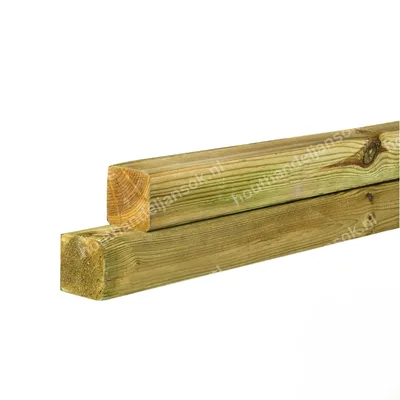


Short answer: Spruce with no treat does not last long outdoors. It is not a durable outdoor species. With pressure treat, a practical guide is about 10 to 15 years in ground contact and 15 to 20 years above ground. That hangs on wet, detail and care. For many gardens, pressure-treated pine or Douglas fir is the better start.
Why spruce with no treat fails outdoors
Spruce (Picea abies) sits in class 4 to 5. With no extra treat, or with no dry cover that stays dry, it develops rot fast. That is most true with ground contact. We stock spruce mainly as C16/C24 construction timber for roofs, stud walls and indoor frames.
Life by case
- No treat, open outdoors — short, often a few years. Avoid for lasting builds.
- Treated, ground contact — about 10 to 15 years. Use class 4 and a proper treat.
- Treated, above ground — about 15 to 20 years. Air flow and drainage help.
- Covered plus a solid finish — not the same each time, but longer than bare. Care is still needed.
When to pick Douglas or hardwood
For a natural look with no green treat colour, pick Douglas above ground. For a heavy load or lasting ground contact, hardwood is stronger. See pine vs Douglas, Douglas vs pressure-treated, and outdoor timber species.
Yard tips
- Treat cut ends again after you saw.
- Do not let water sit on flat faces.
- For fence posts: treated timber or concrete posts — not bare spruce.
Buying guide: outdoor pine and spruce.
So spruce has a place. That place is mainly indoor frames and roof work. If you want a garden fence or a post in the ground, start with treated pine or Douglas. That simple pick saves you a short life and a second build.
What determines the lifespan of spruce timber outdoors
The lifespan of spruce timber outdoors depends on several factors at once: the quality of the treatment, ground contact, exposure to rain and sunlight, ventilation, and the construction details. Timber that dries quickly after rainfall lasts considerably longer than timber that remains damp. Constructive protection, such as overhangs, drainage and raised post bases, therefore matters as much as the choice of species itself.
Regular inspection also helps. Check vulnerable places, such as post bases and horizontal surfaces, once a year, and replace damaged components in time to prevent further deterioration.
Small details make a big difference. Cut the top of a post at an angle so rain runs off, keep boards a few centimetres above the soil, and leave space for air behind cladding.
Frequently asked questions
How long does spruce last outdoors?
With no treat: short. With treat: often 10 to 15 years in ground contact and 15 to 20 years above ground.
Is spruce suitable for fencing?
Use pressure-treated fencing timber (most of the time pine), not bare spruce.
Is untreated spruce suitable outdoors?
Not for frames that must last outdoors. Pick pressure-treated timber, Douglas fir or hardwood.
How long does pressure-treated softwood last in ground contact?
A guide is about 10 to 15 years in ground contact and 15 to 20 years above ground. It hangs on treat quality and how wet the spot is.
When should I choose Douglas instead of spruce outdoors?
When you want a natural look for above-ground garden work with no pressure treat. For many fences, pressure-treated pine stays the cheap pick.