


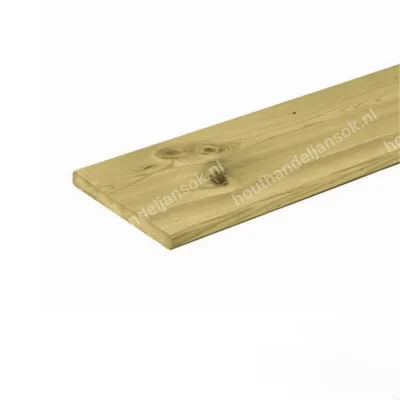
Treating fence wood is a frequent question with new garden fences. In most cases you do not require a second treatment. Factory-treated fence wood has already been pressure treated. This guide explains when extra treatment is required and which products you should use.
Factory-treated versus a treatment at home
Treated fence wood from our webshop has been treated under vacuum pressure. The agents go deep into the wood cells. That performs much better than a surface coat at home. For a standard fence this is the best and cheapest choice.
Treat it yourself when you have these situations:
- Untreated timber that you want to protect around the garden.
- Cutting surfaces and end edges after the timber is sawn to size.
- Extra protection in places with heavy ground contact.
Step plan for treating fence wood
- Allow new wet timber to dry for at least several weeks outside.
- Clean the surface of dust, moss and old layers of paint.
- Treat all saw cuts and drill holes directly with wood preserver.
- Put the agent on with a brush or garden sprayer. Keep the coat thin and even.
- Repeat after 24 hours if needed. Follow the pack.
Which agent should you select?
Use a clear wood preserver or primer made for outdoor use. View our range paint and stain for agents, primers and wood oil. For a solid finish, pick garden paint after a base coat.
Care for treated fence wood
Treated fence wood does not need a new soak each year. A wash now and then still helps. If you want to hide the green colour, a solid stain helps. Read more in our range treated wood.
When is impregnating fence wood needed?
For factory-treated fence boards and posts, extra impregnating is not needed. The treatment under vacuum pressure has already reached deep into the wood. The weak spots are the places where you cut or drill the timber yourself. Fresh saw cuts and drill holes expose wood that the factory treatment did not reach. Treat those spots straight away, before you fit the board or post.
Untreated timber is a different story. Bare pine or spruce outdoors needs protection, and you will have to repeat it regularly. A brush coat at home only protects the outer layer, so it never lasts as long as a pressure treatment. For a fence that should last, factory-treated timber is usually the better start.
Common mistakes
The most common mistake is treating wet wood. The agent cannot get in, and it can stay sticky or flake off. Let the wood dry first. A second mistake is forgetting the end grain. The ends of boards and posts take up water fastest, so give them extra attention. A third mistake is putting posts straight into wet soil without a gravel layer or drainage. Water then stays around the foot of the post, which is where rot starts first.
Impregnating fence wood: summary
Buy factory-treated timber for a standard fence. Treat saw cuts and drill holes yourself. Protect bare wood with an outdoor product and repeat every 2 to 3 years. Keep water away from the foot of the posts. That way your fence lasts for many years with little effort.
Frequently asked questions
Is treated fence wood a risk for people?
Modern EU treated wood meets tight rules. It is safe for normal outdoor use. Wear a dust mask when you saw. Do not put sawdust on the compost.
How often should I treat the fence again?
Factory-treated wood: you do not need to. Self-treated bare wood: every 2 to 3 years again. That hangs on sun and rain.
Do I need to treat Douglas fence wood?
Douglas does not need a soak. Oil or stain is enough if you want to keep the colour. See Douglas maintained.