


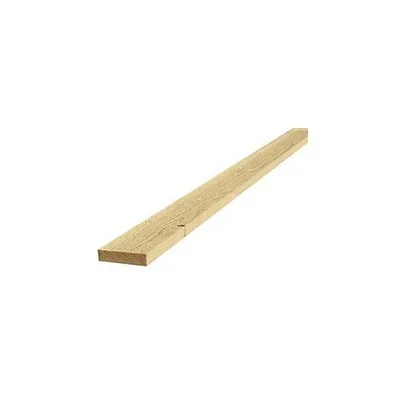
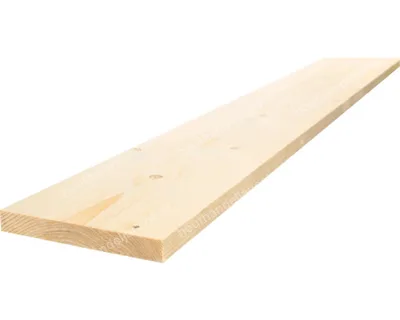
A raised veg bed from timber is a weekend project you can finish at home. You need boards plus a corner post at each junction. Select timber that can handle damp soil for many outdoor seasons. Douglas performs well when the box remains over the ground. Treated timber lasts longer when the wood remains in lasting soil contact.
What you need for the box
- Boards 20 to 30 mm thick. Board width is a matter of taste.
- Corner posts or screw junctions at both ends of each wall.
- Root cloth or weed cloth if you want extra outdoor cover under the soil.
- Stainless screws from our fixings range so rust remains away.
Notes that help the bed last
Prevent wet soil from sitting on the inner face of the boards. Fit a food-safe foil or liner on that inner face for lasting contact. Larger beds need sturdy corners and, if needed, extra cross-bracing. That bracing keeps long walls from bowing after the first wet season.
Choosing the size of a timber raised bed
Make the bed narrow enough that you can reach the middle from both sides without stepping on the soil. For most people that means a width of about 1 metre or a little more. The length is up to you, but long beds need extra posts or cross braces along the sides, because wet soil pushes the boards outward. A height of a few boards is enough for most vegetables. A higher bed is easier on your back, but it needs more soil and a stronger frame.
Building the bed step by step
Place a square corner post on the inside of each corner and screw the boards to it. Use stainless or coated screws, as they last longer in damp soil. On long sides, add a post in the middle. Set the bed level on firm ground, and put a layer of wire mesh at the bottom if you have moles or voles. Fill the bed with a mix of garden soil and compost, and let it settle before you plant.
Making the timber last longer
Wood that is in constant contact with wet soil wears faster than wood above ground. You can line the inside of the boards with a root-proof membrane or a sheet of plastic, so the soil does not touch the wood directly. Leave the bottom open for drainage. Douglas without treatment turns grey over time. That is only the colour, not rot. Treat saw cuts, and replace a board when it gets soft.
Douglas or treated timber?
Douglas has a warm colour and needs no green treatment. Treated pine lasts longer in contact with soil and costs less. Read the question below about treated timber near food plants, and choose what suits you best.
Practical considerations for vegetable beds
Position the raised bed where it receives at least six hours of sunlight daily, and ensure convenient access to water. Paths between beds should be wide enough for a wheelbarrow. Consider the orientation, because beds running north to south generally receive more evenly distributed sunlight throughout the growing season.
Ask us which boards and posts fit the size you have in mind.
Frequently asked questions
Is treated timber safe near food plants?
Prefer Douglas or hardwood and then add a liner on the inner face. With treated timber always install a barrier foil as well. Place that foil between the timber and the soil in the outdoor bed.