


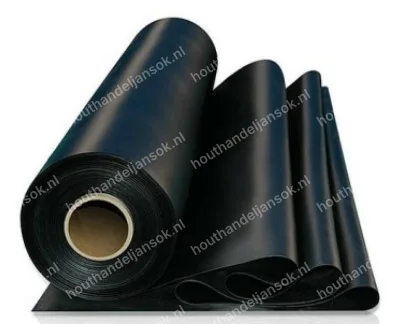
What is EPDM? EPDM (ethylene propylene diene monomer) is a synthetic rubber used as a roofing membrane on flat roofs. It is laid as one seamless sheet, it is watertight and it resists UV light. That makes it a strong choice for the flat roof of a canopy, garden house or veranda. In this guide we explain what EPDM is, how it performs and when it is the right choice.
Houthandel Jan Sok in Meppel supplies EPDM as a complete kit, with membrane, adhesive and edge finishing. We supply homeowners, tradespeople and contractors.
What EPDM is
EPDM is a synthetic rubber roofing membrane. The name refers to the building blocks of the rubber: ethylene, propylene and a diene. Together they make a sheet that stays flexible, even in cold weather. Unlike bitumen, EPDM is not laid in overlapping strips. You cover the roof with one piece cut to size, so there are no seams where water can get in.
Key properties
Seamless — the membrane is cut to size and laid in one piece. No overlaps, no welded seams, no weak spots.
Watertight — EPDM keeps out rain, meltwater and wind-driven rain. On a flat roof, where water does not always drain straight away, that matters most.
UV-resistant — the membrane does not fade or crumble in sunlight, so it suits roofs that are fully exposed to the weather.
EPDM also stays flexible in the cold and resists tearing and ozone. Figures for its lifespan vary. People often mention 50 years or more, but it depends on how it is laid and looked after. So we do not promise an exact lifespan.
Where EPDM is used
EPDM is mostly used on the flat roofs of timber garden buildings:
- Canopies — freestanding or attached to the house, with a flat or slightly sloping roof.
- Garden houses and sheds — where bitumen tends to crack over time.
- Verandas — covered seating areas exposed to wind and weather.
In every case the base has to be flat, dry and clean, often roof boards in Douglas. Read more about that timber in what is Douglas timber, and see examples in canopies attached to the house.
Pros and cons
Pros: seamless, so very leak-resistant. It resists UV and stays flexible in the cold. It works well on flat roofs where bitumen falls short, and it comes as a complete kit.
Cons: a higher purchase price than bitumen, it needs a smooth, dry and clean base, and it takes care to lay. A sheet that has been bonded in the wrong place is hard to correct.
Installation tips
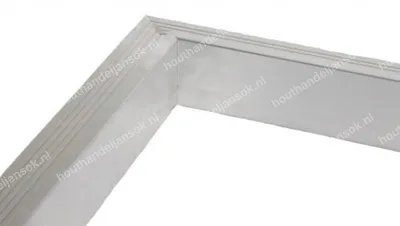
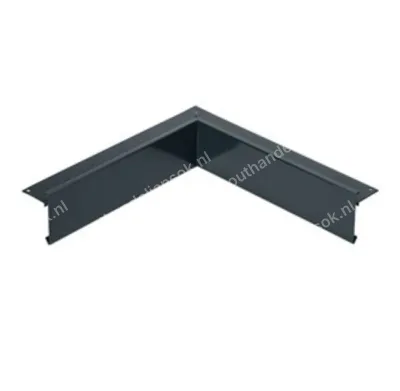
EPDM performs best on a smooth, dry and stable base. Remove sharp edges, protruding screws and debris first, because they can damage the membrane. Let the membrane relax before bonding, apply adhesive to a grease-free surface, and roll the sheet out without stretching it. Follow the manufacturer's instructions for adhesive, temperature and drying time. Most leaks start at edges, corners and openings, not in the membrane itself. Take extra care with those details. The right kit is in EPDM roofing and accessories.
Maintenance
EPDM needs little care. Clear leaves once a year, keep the membrane clean and check the edge finishing. Avoid sharp objects on the roof and do not leave heavy snow lying for long.
Frequently asked questions
Is EPDM better than bitumen?
For the flat roofs of canopies and garden houses, EPDM is often the better choice: it is seamless, UV-resistant and flexible. Bitumen is cheaper, but its seams can start to leak over time.
How long does EPDM last?
A long time. People often mention 50 years or more. The real lifespan depends on installation, care and weather, so we do not promise an exact number.
Can I install EPDM myself?
If you are handy, yes. Use a complete kit, choose dry weather, make sure the base is smooth and work with two people. Follow the step-by-step guide.
Do I need roof boards under EPDM?
Yes. EPDM needs a flat, dry base, often roof boards in Douglas. The membrane follows the base, so any bumps will show.