

PIR 20mm, 30mm or 40mm? The short answer is this: pick the thinnest insulation board that reaches your target Rd within the available build-up.
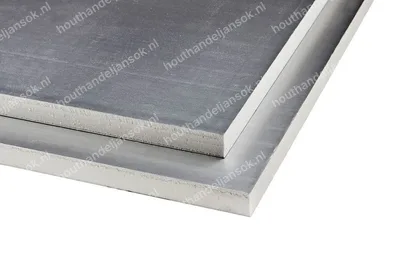
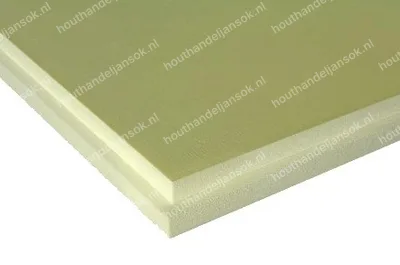
We stock 20, 30 and 40 mm PIR insulation boards. Standard size is about 0,60 by 1,20 metre.
When is 20 mm the better thickness?
Choose 20 mm on renovations with little available space. Typical spots are a floor, a lining wall, or a tight roof detail.
When do you choose 30 mm or 40 mm?
Choose 30 or 40 mm when the structure allows a thicker insulation board. You then get more insulation per board. 40 mm is the thicker standard thickness when the available height allows it.
PIR versus mineral wool or glass wool
PIR wins on heat insulation per millimetre of thickness. Mineral wool and glass wool win on sound. Shop here: insulation. Positioning advice: buy insulation.
How thickness, Rd value and space relate
The Rd value tells you how well a layer insulates. A thicker board gives a higher Rd value, but only if it fits the build-up without gaps. Before you choose a PIR thickness, measure the space you really have: the depth of the studs or battens, the height you can lose on a floor, or the room under the roof finish. Then check which Rd value you need. For building regulations or a subsidy, the required value is set by the rules or the scheme, not by the timber merchant.
If one board cannot reach the value, two thinner layers with staggered joints often work better than one thick board. The second layer covers the joints of the first, which reduces cold bridges.
Fitting tips for PIR boards
Cut PIR with a fine saw or a sharp knife and keep the edges straight. Fit the boards tightly against each other and against the frame. Seal the joints with foil tape and fill small gaps with foam. Gaps let air through, and air leaks cost more heat than a few extra millimetres of insulation can win back. On the warm side, a vapour control layer is often needed, so check the advice for your build-up.
When mineral wool is the better choice
PIR insulates more per millimetre, but it is rigid. Mineral wool and glass wool are flexible and fill uneven spaces between rafters or studs more easily. They also damp sound, which PIR does much less. In a timber frame wall with irregular spacing, or in a ceiling where noise matters, wool can be the more practical choice. Many projects combine both: wool between the frame and a PIR board across it.
Also think about the finish on top. A floor needs a stable layer over the insulation, and a wall needs battens or a board to fix the finish to. Include those layers in your total height before you choose the board.
When in doubt, send us your build-up and we will think along with you.
FAQ
Is 20 mm PIR enough?
Often yes for top-up insulation or very tight spaces. For new-build targets you usually need more thickness or extra layers.
Is 40 mm PIR always better than 30 mm?
It insulates more, but only if it fits. A board that does not fit well, or that forces you to leave gaps, performs worse in practice.
Which PIR boards do you stock?
We stock PIR boards in 20, 30 and 40 mm. The standard size is about 0.60 by 1.20 metre.